Secure Data Destruction
When Deleting Is Not Enough
There comes a point with retired IT where wiping a device is not enough, and the only acceptable outcome is that the storage medium is physically destroyed. Secure data destruction is exactly what that service is for: the permanent, irreversible destruction of a drive, with documented proof for every device.
Here is what secure data destruction actually involves, when it is the right choice, and why “deleting” was never destruction in the first place.
Deleting a file does not destroy it
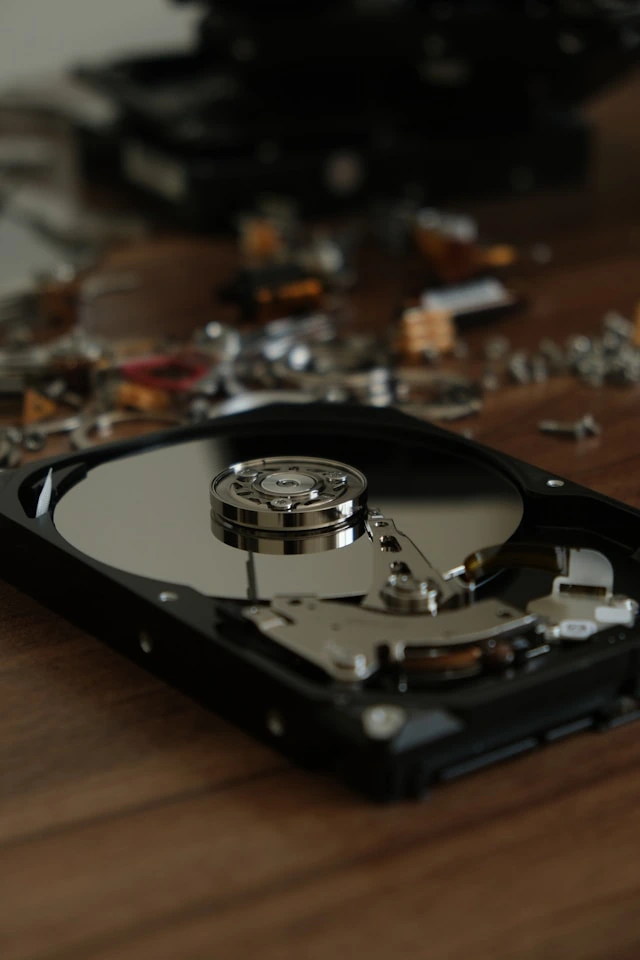
It is worth restating, because so much risk flows from getting it wrong: deleting a file, formatting a drive, or running a factory reset does not remove the data. It removes the pointers to it. The data itself stays physically present and recoverable until something overwrites or destroys it.
That means a retired drive handed on, recycled, or thrown away without proper treatment still holds whatever was on it. For most organisations that is exactly the data they are most obliged to protect. Until a drive has been either certifiably erased or physically destroyed, the information on it remains the organisation’s responsibility, and its liability.
What secure data destruction involves
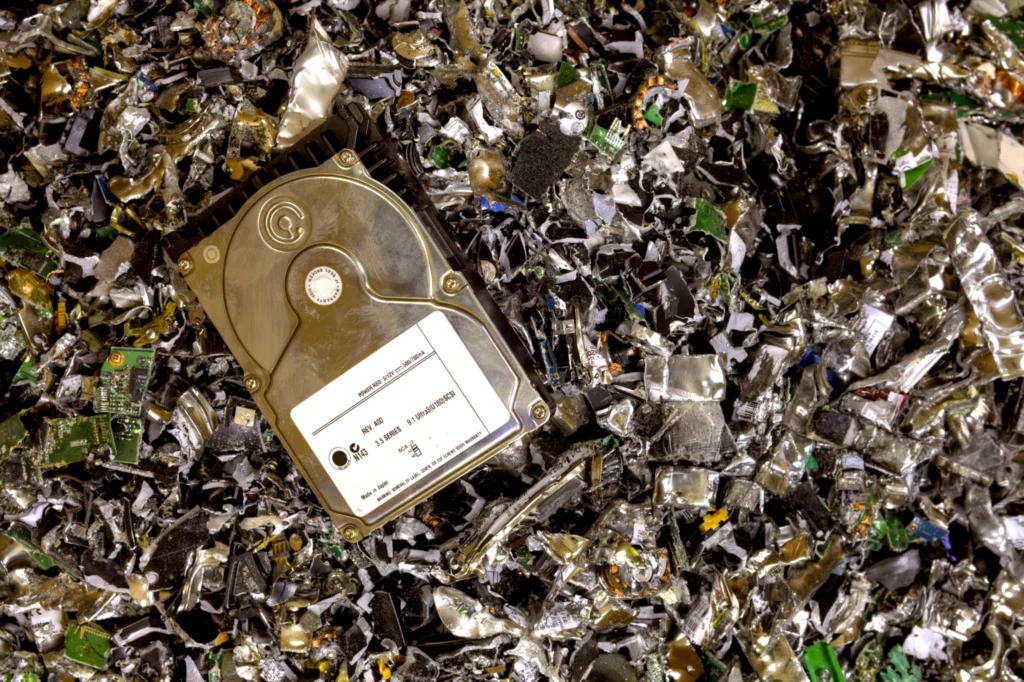
Secure data destruction renders the data on a device permanently unrecoverable by destroying the storage medium itself. In practice this usually means physical shredding: the drive is fed through industrial shredding equipment and reduced to fragments, after which no recovery is possible.
The destruction itself is only half of it. The other half is proof. A serious destruction process produces an itemised Certificate of Destruction for every device, so that each drive destroyed is a documented fact rather than a verbal assurance. If a regulator, auditor or customer ever asks how a specific device was dealt with, the certificate is the answer.
At DGD, secure data destruction is carried out to the EN-15713 standard, the recognised European standard for secure destruction, with a Certificate of Destruction issued for every device, every time. Destruction can be carried out on-site or off-site, and witnessed destruction is available for organisations that need to see it happen for themselves. Throughout, the chain of custody is maintained, so a device is tracked and accounted for from collection through to destruction.
Why witnessed and certified destruction matters
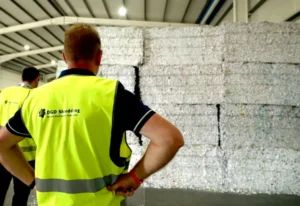
For the most security-sensitive organisations, knowing a drive was destroyed is not quite the same as seeing it destroyed. Witnessed destruction closes that gap: a representative can observe the process directly, so there is no question that a specific device met its end.
The certificate does the same job in documentary form. Together, witnessed destruction and an itemised Certificate of Destruction turn “trust us, it’s gone” into something provable, which is precisely what compliance and peace of mind both require. Under GDPR, the ability to demonstrate that data was securely destroyed is part of accountability, and in Ireland that obligation sits with the Data Protection Commission. Documented destruction is how an organisation evidences it.
When to destroy, and when to erase
Destruction is final, and that finality is the point, but it also means the device is gone along with its data and any value it held. So the choice between destruction and certified data erasure is a genuine one.
Physical destruction is usually the right choice when a device is at genuine end of life with no meaningful residual value, when a drive is faulty and cannot be reliably erased, or when an organisation’s security policy specifically requires the storage medium to be physically destroyed.
Certified erasure is usually the better choice when the device still works and holds value, and a certified, auditable wipe meets the security requirement, because erasure leaves the device intact for reuse or resale. A good provider assesses each device and applies the right method rather than defaulting to one. Destruction and erasure are complementary, not competing.
Where DGD Technology fits
DGD Technology provides Secure Data Destruction as part of its complete ITAD service for organisations across Ireland. Drives and storage media are destroyed to the EN-15713 standard, on-site or off-site, with witnessed destruction available and an itemised Certificate of Destruction issued for every device. Chain of custody is maintained from collection to destruction, so nothing is unaccounted for, whether the job is a single drive or a full data centre decommission.
Where a device is better suited to certified erasure and reuse, DGD provides that instead, applying the right method to each device rather than one method to everything.
To discuss secure data destruction for your retired IT, get in touch with DGD Technology.
About DGD Technology
DGD Technology brings certified IT Asset Disposition, data erasure, and lifecycle management to businesses across Ireland, backed by the same standards of security, compliance, and accountability that have defined DGD Shredding since 1998. From certified erasure to secure destruction and asset resale, we help businesses retire IT equipment properly, whatever stage it has reached.
Want to see what our services can do for you?
Explore our ITAD & Lifecycle Solutions or find out more about our Shredding Services.
Find out how we can help your business? Talk to the team at sales@dgdtechnology.ie or call 1800 491 333.